Senior Health

Get active to avoid falls as you age

September 4, 2023 | 5-minute read

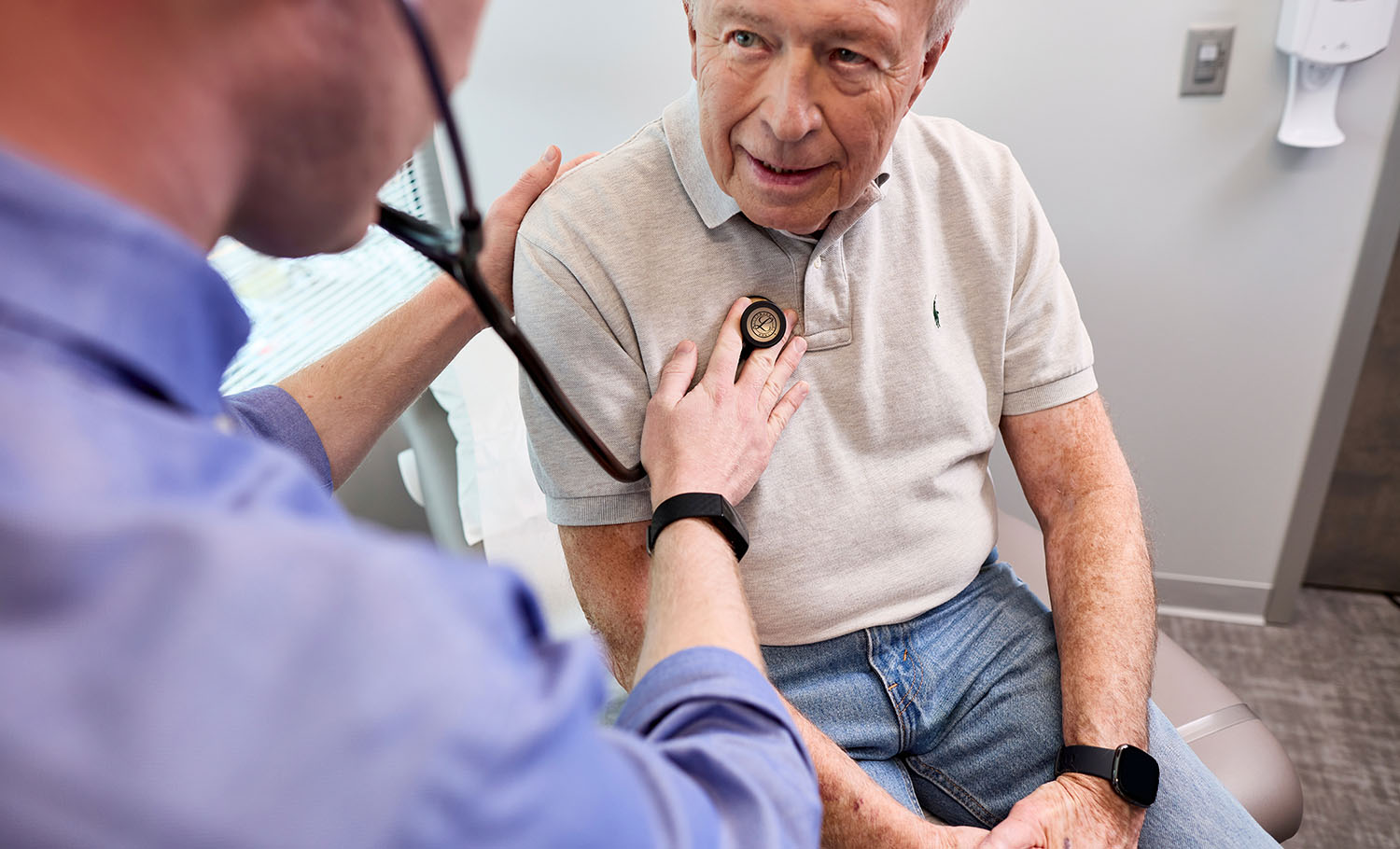
some helping an elder woman after a fall

In this article

At Holston Medical Group, we believe everyone deserves to age with dignity, strength, and support. As people grow older, it becomes even more important to focus on health, independence, and quality of life. That’s why we work with seniors and their families to build personalized plans that help individuals live safely and confidently at home for as long as possible.

One important concern as people age is the increased risk of falling.

Falls can have a significant impact on a senior’s health, mobility, and independence. Beyond physical injuries, a fall may lead to reduced confidence, fear of future falls, and changes in daily routines that affect overall well-being.

Fortunately, many falls can be prevented through awareness, lifestyle adjustments, and proactive healthcare. Understanding common risk factors and taking steps to improve safety can help older adults maintain their independence and quality of life.

At HMG, we partner with seniors, families, and caregivers to develop personalized strategies that support healthy aging and reduce the risk of falls. Prevention is a team effort, and small changes can make a meaningful difference in helping loved ones stay safe and active.

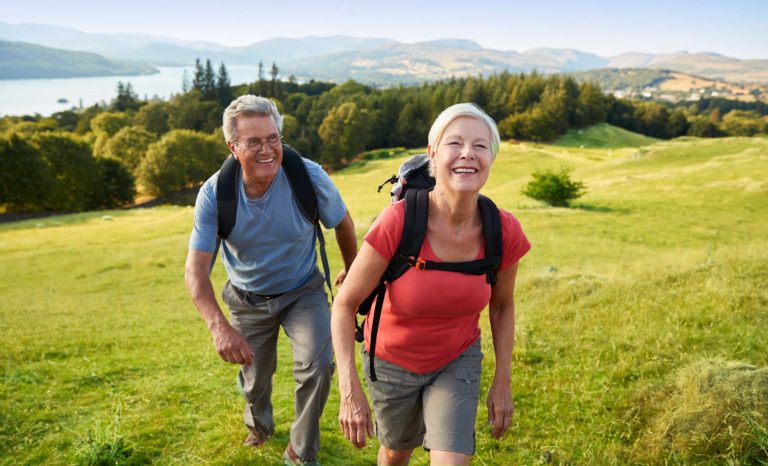
Senior couple hiking

Related story

Healthy aging for your mind, body and spirit

Why seniors fall

As we age, we are more likely to fall because our bodies naturally begin to weaken as our muscles lose strength. Some common chores like carrying groceries or opening a jar, things we do not really think about, can become more difficult as we lose strength. This is what we call frailty, and it is a leading factor of falls. The less we use our muscles, the more at risk we are for frailty.

Seniors are also at a greater risk for falls because of:

  • Weakness in the lower body
  • Lack of enough Vitamin D
  • Hearing loss
  • Vision problems
  • Trouble with walking and balance
  • Dizziness
  • Medication side effects
  • Foot pain or poor footwear
  • Tripping hazards at home

Taking a tumble can result in broken bones and head injuries, causing more weakness, frailty, and increasing the risk of further injury.
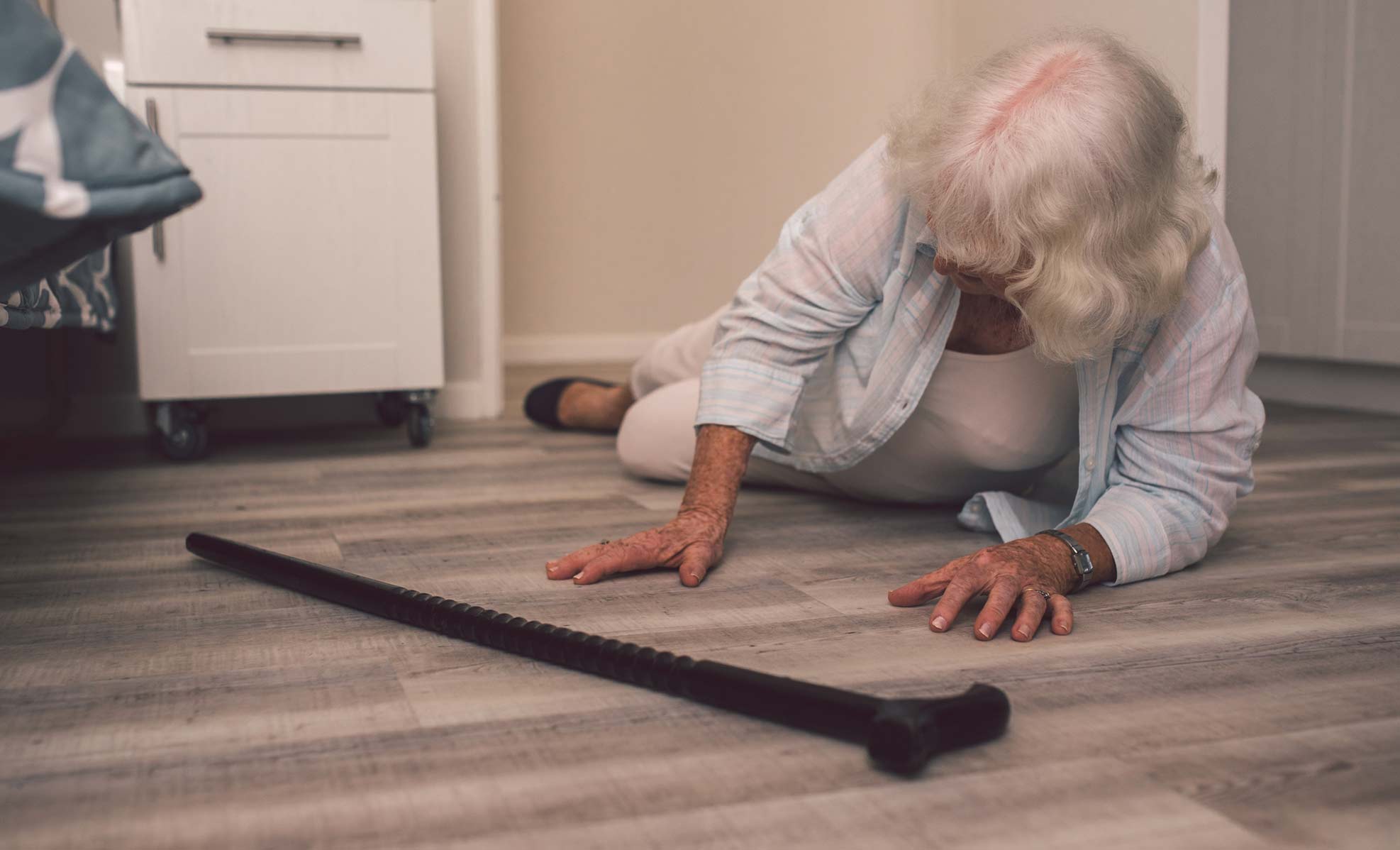
Senior woman falling after dropping her cane

For many seniors, taking a tumble can set off a cycle of fear and inaction that may lead to other health problems
How to prevent falls

Too often, when you suffer from a tumble as a senior, you may start to fear falling again. That worry can often cause inactivity. But the less you move, the more you increase the risk of other health problems. That’s why you need to keep up our strength as you age and take steps to prevent falls. Staying active is important for your physical and emotional well-being. And it lowers the risks of falling.

So, here are 7 things you can do to prevent falls:

  1. Stay active! Keep your muscles in the best shape they can be in. You don’t have to run for miles. Just find an activity that works for you. Even a regular walk is good. You can also try yoga, water aerobics, or tai chi, for example. Find something that brings you joy.
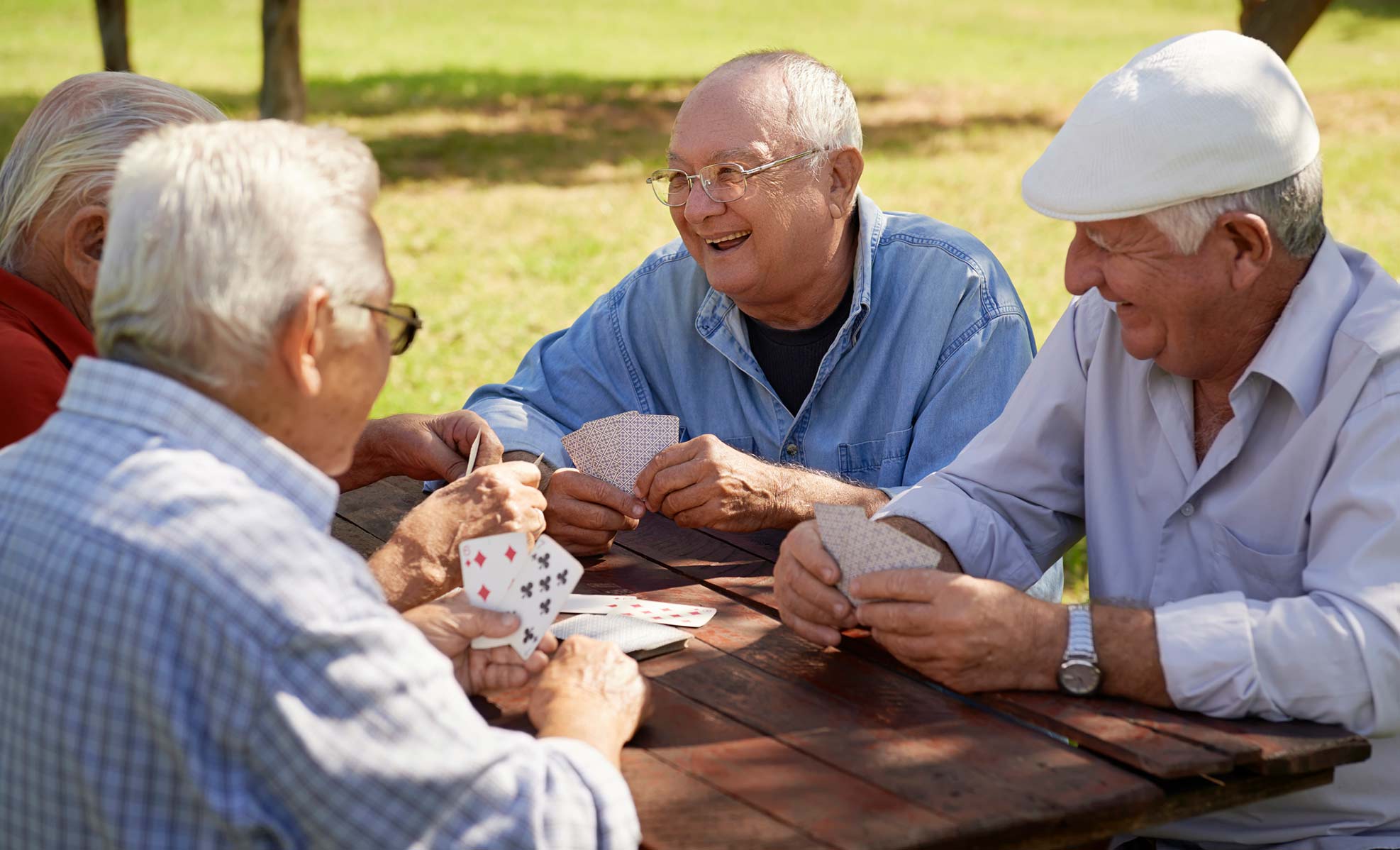
  2. Check your local community or senior center. Classes and group outings may allow you to stay active with friends. As an added benefit, maintaining social activity keeps your mind sharp!
Group of senior men playing cards outside

At the local senior center, you can stay active with friends, and have fun while doing so!

  1. Do some physical therapy. At HMG, we have a wonderful physical therapy team. I partner with them a lot to help seniors keep up their strength to decrease the risk of falls. They can provide you with a physical activity program tailored to your needs and your goals.
  2. Get a yearly physical. Your HMG provider will look for any health changes that can lead to a fall, like changes in your feet or thyroid. You may also want to talk through a CDC checklist with your provider to learn how to increase your chances of living safely on your own.
  3. Talk to your provider about the medicines you take. Some drugs or drug combinations can make you dizzy or cause other issues that could make you fall. Your provider should make sure that the medicines and doses you take are right for you and have the least risk of causing problems like dizziness.
  4. Get a yearly eye exam. Poor vision can also lead to a fall. An eye exam will make sure your vision is OK, or your glasses are helping you see correctly.
  5. Make your home safer. I talk often to patients about how to keep themselves safe in their homes. One place to start is to look for tripping hazards on the floor, like throw rugs or clutter in places you walk. Remove them! You can also:
    • Install handrails on both sides of your stairs.
    • Add grab bars in your shower or tub, and next to your toilet. A shower chair or non-slip mat can also help in the bathroom.
    • Use brighter light bulbs or put more lights in your home.
    • Keep items you use a lot within easy reach, so you don’t have to climb on a step stool or chair.

As it gets colder, I also recommend that people be aware of places in their homes that could be slick from ice, snow, or rain. To check your risk for falling, you can take a quiz from the National Council on Aging.

Aging healthfully with your HMG partner

I believe that the longer seniors can live in their own homes, the happier they will be. For me, a major part of that is helping to decrease the risk of falling.

At HMG, we partner with you to look at the big picture and make sure we keep you as strong as possible. Healthy aging is important to everyone in my practice. I feel blessed to be part of my patients’ care and to be their health partner for life.

Health Matters Blog logo

Subscribe

Sign up for health tips, wellness advice and more, straight from our providers.

Subscribing indicates your consent to our terms of use and our privacy policy. You can unsubscribe anytime.

Related topics

How fear of falling can increase fall risk in older adults

How fear of falling can increase fall risk in older adults

Understanding the connection between fear, inactivity, and increased fall risk in older adults.

Your medicare annual wellness visit: A simple step toward better health

Your medicare annual wellness visit: A simple step toward better health

Learn what a Medicare Annual Wellness Visit includes and how it supports your long-term health.

Older americans at risk for health issues related to social isolation and loneliness

Health issues related to social isolation and loneliness

Social isolation is a growing health risk for older adults. Learn signs of loneliness, its impact, and simple ways to support aging loved ones emotionally.