Prevention

Make mammograms a part of your preventative care routine

Dr. Andrew McCormick
October 2, 2023 | 5-minute read

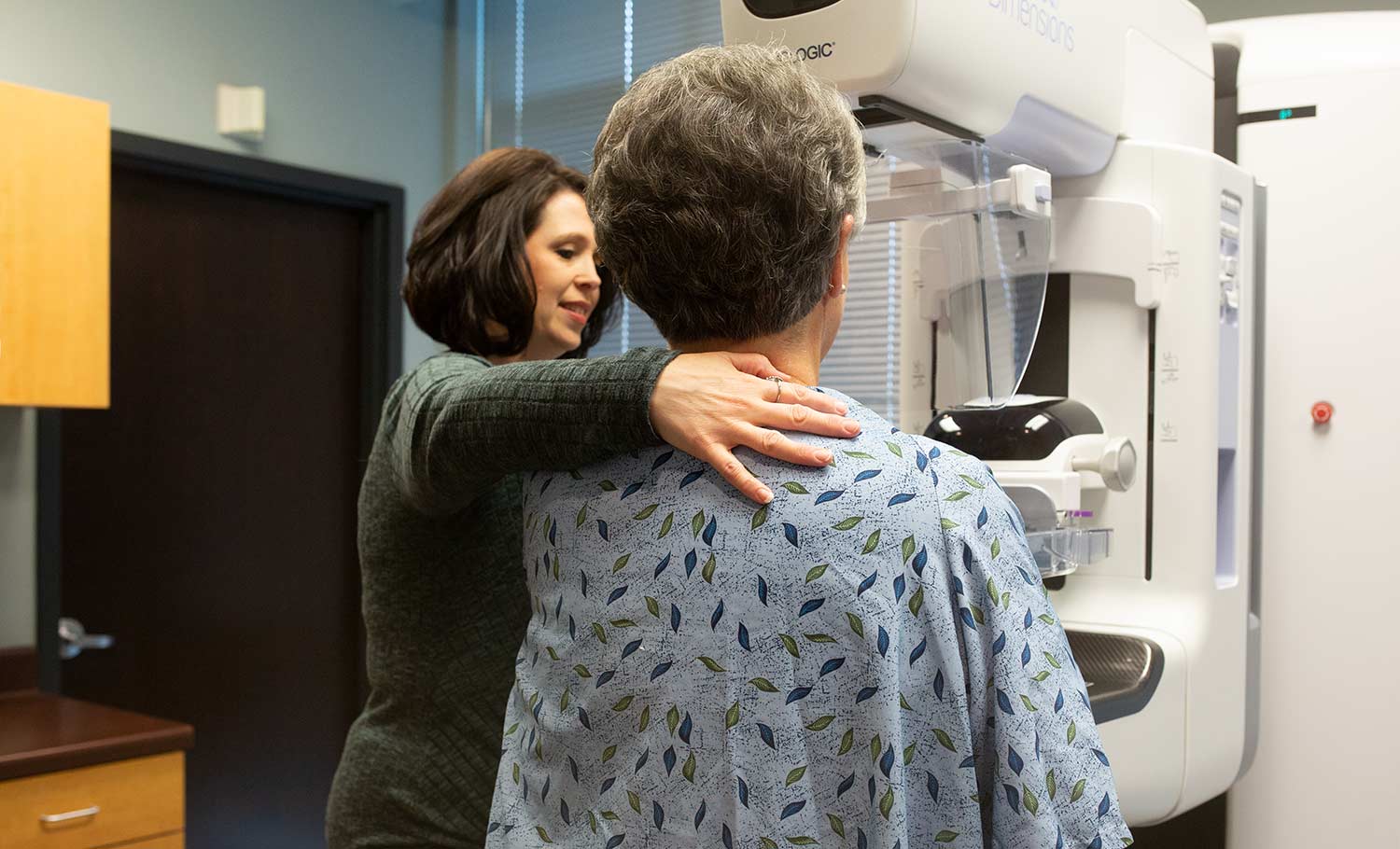
patient getting a mammogram

In this article

Preventative care is essential to your health journey. As a primary care provider (PCP), I’ve seen firsthand the life-saving impact preventative screening exams can have on my patients.

What is a preventative screening exam?

What is a preventative screening exam? In some cases, they are as simple as a blood test to ensure you don’t have an issue like diabetes or low kidney function. Other screening exams check for cancers, like a mammogram, for example, looks for possible breast cancer. They are designed to spot health problems early, while they’re easier to treat.

I hate to see people delay preventative screenings and end up with problems that could have been avoided. But I also know these exams can be confusing! That’s why I’m here. Part of my job is to discuss all the options and guide families to make the best decisions for them.

Like the other PCPs at Holston Medical Group, I work to help my patients prevent disease whenever we can. One way we do that is with preventive screenings like mammograms. It’s important to know that breast cancer can affect anyone, including men. Because many men do not think about breast cancer risk, changes or symptoms may go unrecognized. Understanding your risk factors and talking with your provider about any concerns can help support earlier detection and treatment.

Since October is Breast Cancer Awareness Month, it’s an excellent time to remind everyone to make mammograms part of their preventative routine.

3 signs it’s time for your mammogram

A mammogram is one of the easiest screening tests that we do, and it’s also one of the most vital. That’s because finding breast cancer sooner rather than later makes it simpler for us to treat it successfully.

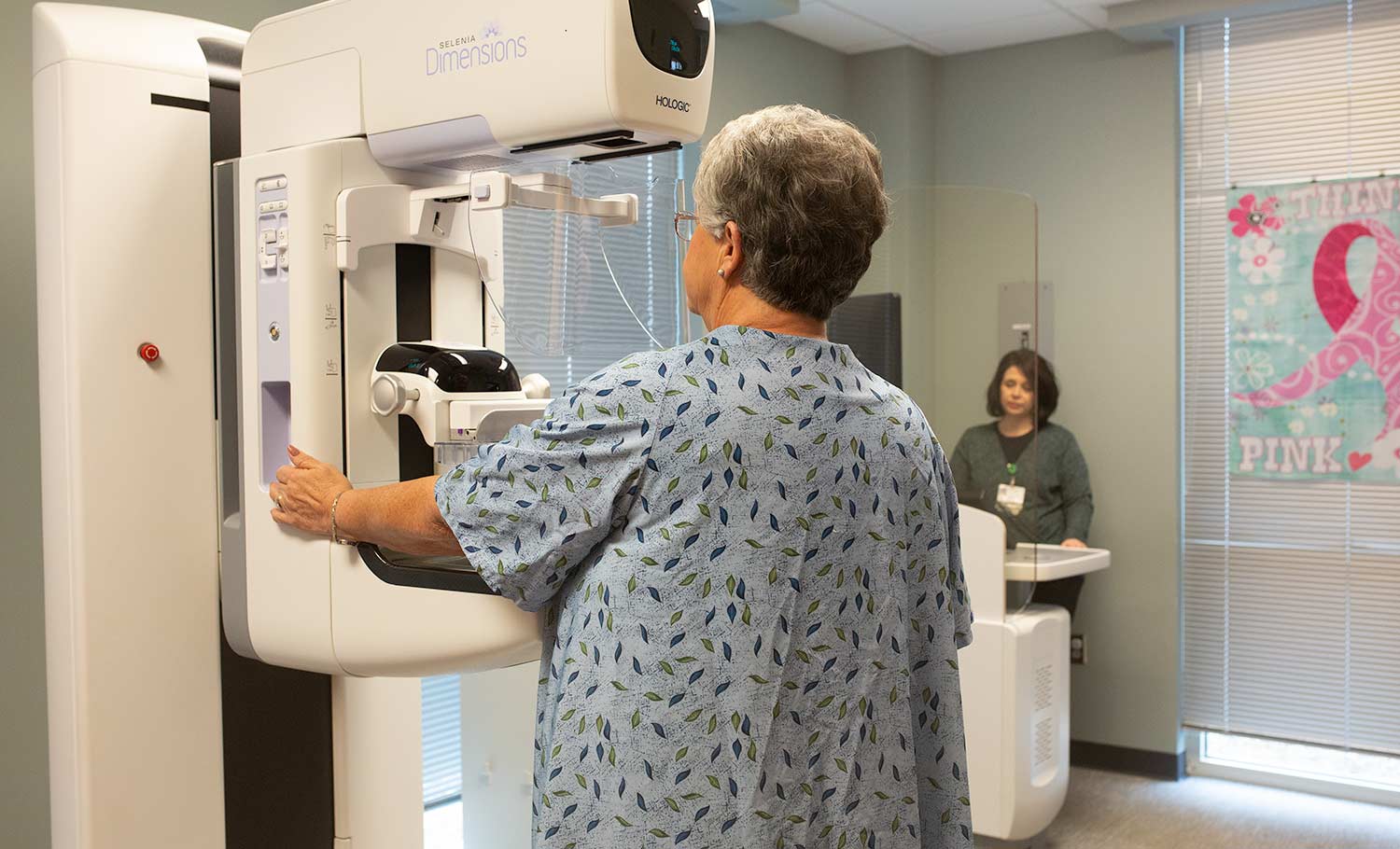
senior patient getting a mammogram

Most women with few risk factors should get their first mammogram between the ages of 40-50.

Talk to your PCP about the right time for you to be screened. Not everyone should have their first mammogram at the same age. There are a few different factors that affect when — and how often — you should be screened:

  1. Age:
    Most women with few risk factors should get their first mammogram between the ages of 40-50. I start reminding patients around their 40th birthday that it’s time to schedule one. The American Cancer Society recommends that all women have their first one by age 45.
  2. Family history:
    If a close relative — like your mother or sister — has had breast cancer, you should have your first screening exam closer to age 30. This is not only to detect any cancer early but to help your care team better understand any future changes to your breast health.
  3. Lifestyle factors:
    Other risk factors for breast cancer include having certain diseases or childhood exposure to radiation. Your weight, if you smoke, and other factors also influence when you should start mammograms. Your PCP can explain if you are at high risk for breast cancer, answer your questions, and support you in your decisions.
3 generations of woman family photo

If a close relative has had breast cancer, you should have your first screening exam closer to age 30.

Fight the fear

Let’s face it: Many people put off their mammograms because they can be uncomfortable. I understand that. But improvements over the years have made the test much less painful.

Other patients delay out of fear. I understand that, too. Some people tell me they don’t want to know if they have cancer. But this is sad to hear because the good news is that breast cancer is treatable, especially when caught early.

One way to make getting a mammogram less scary is to talk to your PCP and come up with a plan. It’s just human nature to be less afraid when you know what to expect. Remember:

  • Early detection = easier treatment. The sooner breast cancer is found, the faster and easier we can remove it and keep it from spreading.
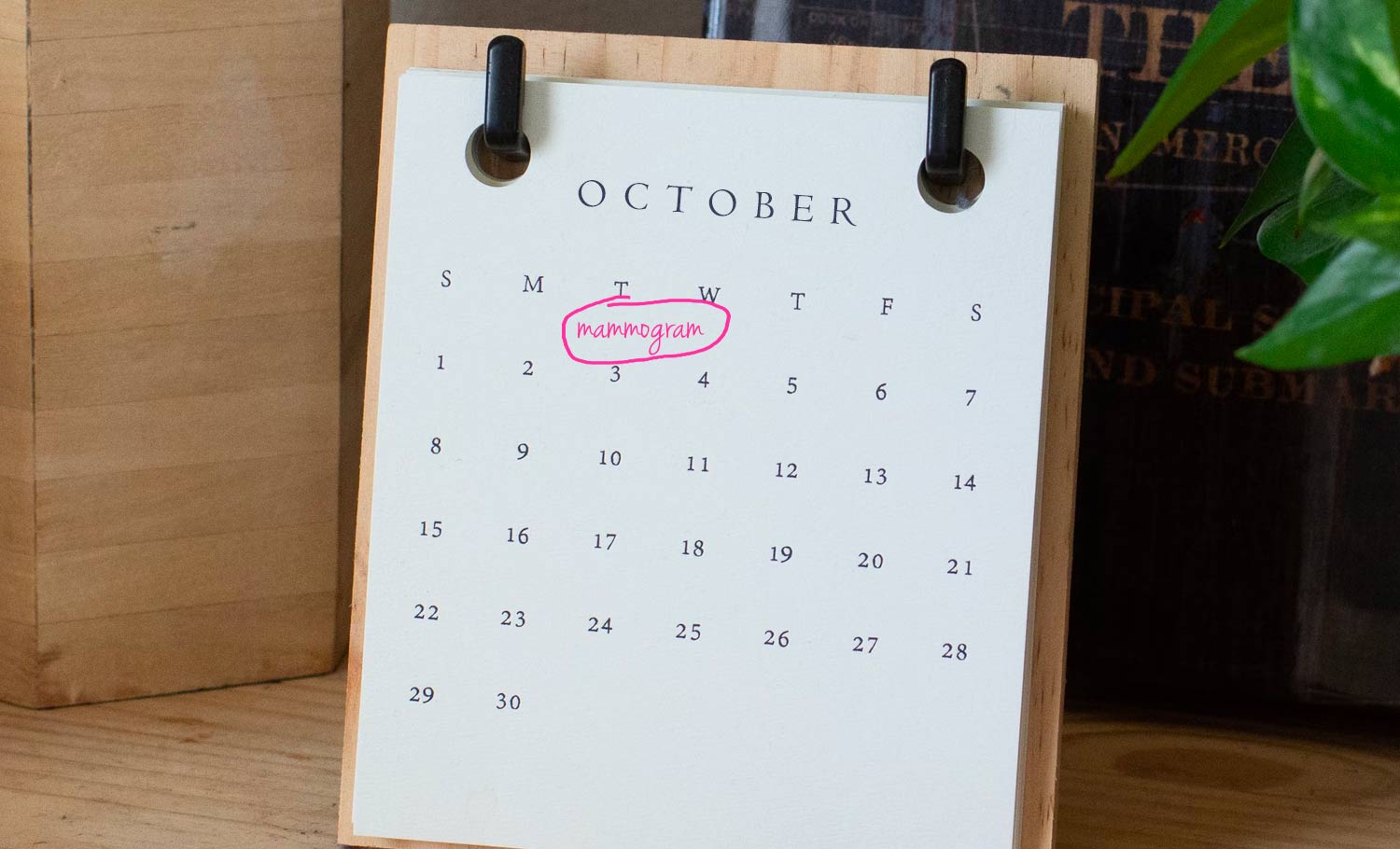
  • Routines reduce fear. Let’s say you schedule a mammogram every year in October. You’ll soon start to plan for it and expect it. You remove the fear factor by making it just another part of your routine.
  • Screening doesn’t mean you’ll find a problem. Most of the time, the exam shows someone doesn’t have cancer. It can be scarier if you wait until you have an issue or feel a lump in your breast.
Calendar with circled mammogram date

Getting into a routine of having your mammogram at the same time every year can help reduce fear.

Start with a self-exam

I encourage self-exams because the more you know your body, the better. It makes it more likely that you’ll notice any changes. So, talk to your provider about how to perform a self-exam.

See your provider immediately if you find a change in your body during a breast self-exam. They can help you schedule a mammogram and make the best decisions for you and your family. If you don’t have a provider, visit our find care page to find one closest to you.

It always worries me when people tell me that they don’t get regular screenings, like mammograms, because they’re too afraid that they’ll find something terrible. The truth is, the sooner we know something might be happening, the faster we can take care of it!

As HMG providers, we’re here through it all for you. Our goal is to guide and support you along the way, so you’re the healthiest you can be.

I recommend mammograms and other preventative screenings to every patient and everyone in my family. After all, HMG is a family of care, and as your health partner for life, we aim to treat you and your family like our own.

Health Matters Blog logo

Subscribe

Sign up for health tips, wellness advice and more, straight from our providers.

Subscribing indicates your consent to our terms of use and our privacy policy. You can unsubscribe anytime.

More prevention tips

Colonoscopy prep and what to expect

Colonoscopy prep and what to expect

It is not the old two-gallon jug anymore

Cervical health: Making yourself a priority

Cervical health: Making yourself a priority

Learn why cervical cancer screening matters, even when you feel fine. Discover prevention, risk factors, and how early detection can save lives.

When a heart scan saves your life - Carrie's story

When a heart scan saves your life - Carrie's story

When Carrie had a heart scan to check for heart conditions, she wasn't expecting them to find cancer. Check out her video and story.