Pediatrics

Help your teen by knowing the signs of self-harm

Danielle Stephens, DO
March 4, 2024 | 5-minute read

upset teen sitting in a hallway with head down

In this article

It is easy to always think of our teenagers as the same balls of joy that they were when they were little. We remember what it was like the first time they picked up a baseball bat or ran around the yard in pigtails.

That’s why it can be difficult to imagine our teens struggling with thoughts or emotions that might lead them to hurt themselves. Yet self-harm affects many adolescents, and over the years we’ve seen growing concerns about it in my practice at Holston Medical Group.

What is self harm?

What is self-harm? It’s usually a way that a person struggling with depression, anxiety or other mental health issues tries to cope.

They make their body hurt through cutting, burning, pinching, scratching, or even pulling their hair out. Sometimes they take medicines that aren’t prescribed for them or drink dangerous chemicals.

It’s important to understand that people don’t typically self-harm for the purpose of getting attention or trying to commit suicide. Usually, people harm themselves physically because they think it will help them cope with how they are feeling emotionally.

Self-harm can take many forms, including cutting, burning, scratching, pinching, or pulling out hair. Some individuals may also misuse medications or engage in other behaviors that cause physical harm to their bodies.

Pediatric nurse walking down the hall with teen girl to exam room

Related story

From pediatrics to adult care: When to make the switch

Watch for signs of self-harm

While self-harm is most often associated with teenagers, people of any age can engage in self-harming behaviors. Understanding the warning signs and knowing how to respond can help individuals and families connect with the support they need.

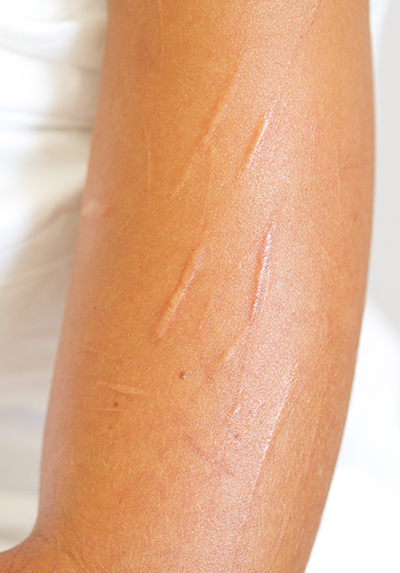
Arm cuts from self harm

Unexplained cuts is one sign of self harm

Self-harm is most common in teens because they are still learning to understand their own emotions. Many learn these behaviors from their friends or on social media. When they are asked why they harm themselves, teens often say that they are trying to stop bad feelings, punish themselves or feel a sense of belonging in their peer group.

If you think that someone you know — your child, your child’s friend, a student, friend or relative — is harming themselves, there are a few things you can watch for:

  • Unexplained cuts, burns or bruises on their legs, arms, ankles, or stomach
  • Covering themselves with long sleeves or long pants in warmer weather
  • Withdrawing from family or friends
  • Wearing unexplained bandages
  • Talking down about themselves like saying they’re "worthless"

People who self-harm are usually not trying to kill themselves. But without help, they are at a higher risk of potentially attempting suicide. So, it’s important to reach out to them as early as possible.

Teen girl talking to a pediatrician

Related story

Supporting middle school students through big transitions

How to help

It can be scary when someone we know or love is harming themselves. We may feel like there’s nothing we can do. But there is!

Start by talking to them in a calm and caring way. Discuss your concern, and make sure that you check in often to ask if they are OK or if they need to talk.

Because self-harm usually means that a person is in emotional pain, you want to be empathetic and open when you approach them. You want to avoid blaming or shaming them and should instead choose to respect and empower them so they don’t harbor self-stigma.

Then, call your HMG pediatric provider for an appointment. We are here for you every step of the way, and we can connect your child or teen with resources to help their unique needs.

As a community, we also can start to have open conversations with kids about mental health issues from an early age, even when they are first picking up the baseball bat or running around the yard in pigtails. This will help your children feel comfortable coming to you if they start to have bad thoughts which can lead to self-harming.

HMG is your health partner for life. So, don’t be afraid to talk to your provider and educate yourself and others about issues around self-harm. By better understanding how and why it happens, you’re better able to empathize and surround children and teens with the care and support they need. Don’t forget to subscribe to our blog to continue to get new health tips, wellness advice and more, straight from our providers!

Health Matters Blog logo

Subscribe

Sign up for health tips, wellness advice and more, straight from our providers.

Subscribing indicates your consent to our terms of use and our privacy policy. You can unsubscribe anytime.

More pediatric topics

Back-to-school health tips for kids: A pediatrician’s guide for parents

Back-to-school health tips for kids

Get your child ready for a successful school year with pediatrician-approved tips on routines, wellness visits, nutrition, illness prevention, and back-to-school anxiety.

Back-to-school vaccines: What every parent needs to know

Back-to school vaccine information for parents

Before the first day of class, there’s something just as important as school supplies: making sure your child is up to date on their vaccines.

Myth busters: What you need to know about well-woman exams

Well-woman exams

Dr. Dennis Samuel discusses the truths behind common misconceptions about women’s annual exams